 how-to
How to Display Fragile Items Safely
Table of Contents
- Choose Sturdy Boxes and Suitable Containers
- Clean and Prepare Fragile Items Before Display
- Wrap Items Individually and Use Protective Materials
- Cushion Items and Fill Empty Spaces
- How to Arrange Collectibles in a Display Cabinet
- How to Secure Ornaments on Shelves
- Display Cabinet Lighting for Collectibles and Safe Maintenance
- Prevent Movement and Eliminate Shifting Inside Display Units
- Frequently Asked Questions
Last Updated: October 20, 2026
Choose Sturdy Boxes and Suitable Containers
The first step to display fragile items safely is selecting the right container. A sturdy box or display cabinet forms the foundation for everything else.
When you're choosing a container for fragile items, look for these qualities:
- Reinforced corners and edges that won't crush under weight
- Thick walls that resist impact and pressure
- A solid base that distributes weight evenly
- Proper ventilation to prevent moisture buildup
- Easy access for cleaning and maintenance
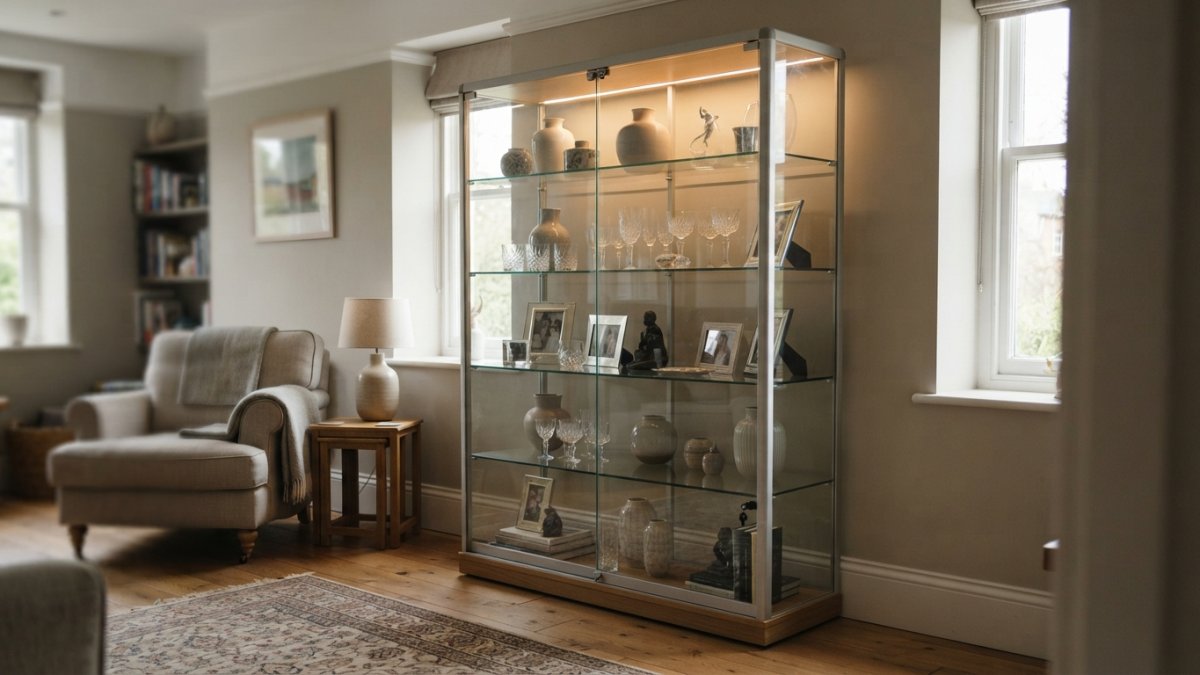
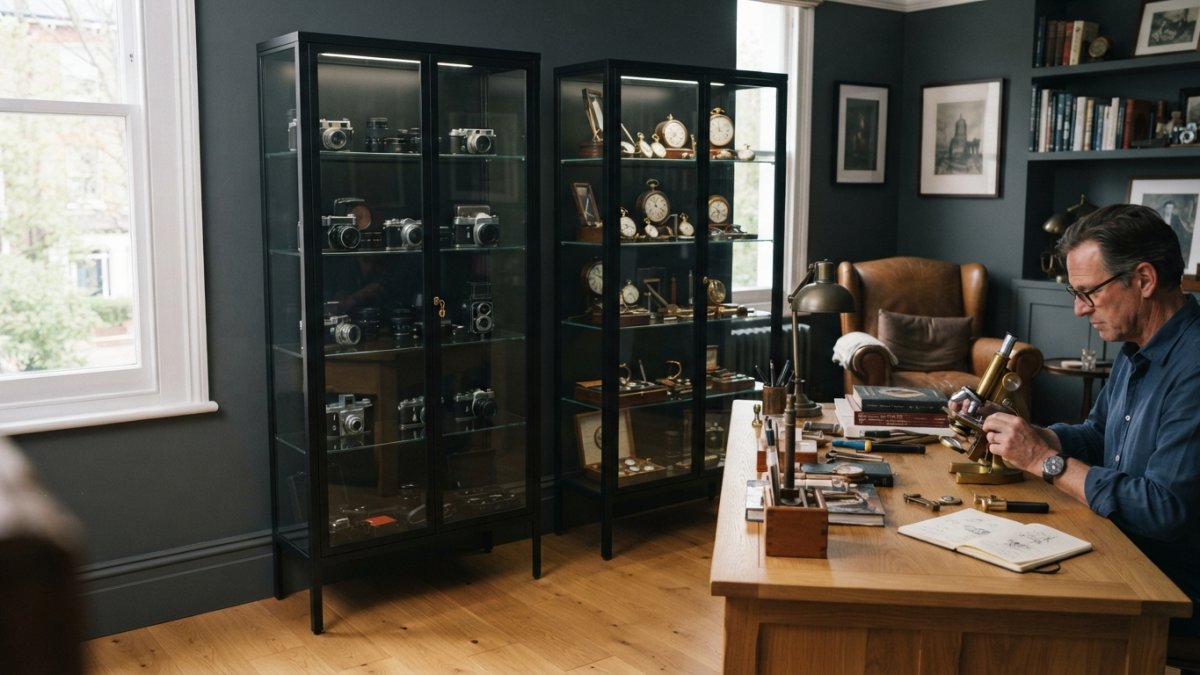
Glass display cabinets work well for items you want to showcase. They protect fragile items from dust and handling while keeping them visible.
Wooden boxes with internal padding offer another option for storage. Metal containers provide maximum durability for heavier fragile items. Whatever you choose, ensure the container can support the total weight of your items plus protective materials.
The size matters too. A container that's too large creates empty space where items shift. A container that's too small forces you to stack fragile items, increasing breakage risk.
Clean and Prepare Fragile Items Before Display
Before packing or displaying fragile items, clean them thoroughly. Dust and dirt trapped under wrapping can scratch surfaces during storage or display. Cleaning also lets you inspect each item for existing damage before you begin.
Here's how to prepare your fragile items:
- Dust gently with a soft cloth, Use microfibre cloths or soft cotton. Avoid paper towels, which can scratch delicate surfaces.
- Inspect for cracks or weak points, Look at handles, stems, and edges where damage often starts.
- Remove any loose parts, Detach lids, stoppers, or decorative pieces that could break during handling.
- Dry completely, Any moisture trapped under wrapping causes mould and corrosion.
- Document the condition, Take photos of valuable items before display. This helps with insurance claims if damage occurs.
For items with special finishes, use appropriate cleaning products. Glass cleaner works for glassware. Mild soap and water suit most ceramics. Antique items may need specialist cleaning solutions to avoid damage.
Let items air-dry completely before wrapping or displaying. Rushing this step traps moisture, which causes long-term damage to fragile items that's worse than impact damage.
Wrap Items Individually and Use Protective Materials
Individual wrapping protects each fragile item from contact with others. Even when items don't touch directly, vibration during transport or settling in a cabinet can cause damage.
Bubble wrap offers excellent protection for most fragile items. The air-filled bubbles absorb impact and cushion against pressure.
Foam sheets provide alternative protection, especially for delicate collectibles. Foam is lighter than bubble wrap and works well for items with uneven surfaces. Use closed-cell foam for best protection against moisture.
Here's the wrapping process:
- Start with acid-free tissue paper, This inner layer prevents direct contact between the item and plastic materials.
- Add bubble wrap or foam, Wrap at least twice around each item.
- Secure with painter's tape, Never use regular tape, which leaves residue. Painter's tape removes cleanly without damaging surfaces.
- Wrap handles and protrusions separately, These vulnerable areas need extra padding.
- Label wrapped items, Mark fragile items with "FRAGILE" and note contents.
For plates and flat items, use dividers between each piece. Corrugated cardboard sheets work well. Stack plates vertically rather than flat, which distributes weight more evenly and reduces pressure on each plate.
Cushion Items and Fill Empty Spaces
Empty space inside a container is your enemy. Items shift during movement, settling, or vibration, causing them to collide and break. Cushioning material absorbs shock and keeps items stable.
Fill all empty spaces around wrapped items with cushioning material. Crumpled acid-free tissue paper works well and costs little. Foam peanuts provide excellent shock absorption but can leave residue.
Layer your protection strategically:
- Bottom layer, 5-10 cm of cushioning material before any items go in
- Between items, At least 5 cm of cushioning separates each wrapped piece
- Top layer, 5-10 cm of cushioning covers everything before closing the container
For display cabinets, use museum putty or clear gel pads to secure items to shelves. These removable adhesives hold fragile items in place without damaging finishes.
Avoid using newspaper or recycled materials directly against fragile items. Always wrap items first, then use cheaper cushioning materials in the spaces between. This prevents ink transfer and dust contamination.
How to Arrange Collectibles in a Display Cabinet
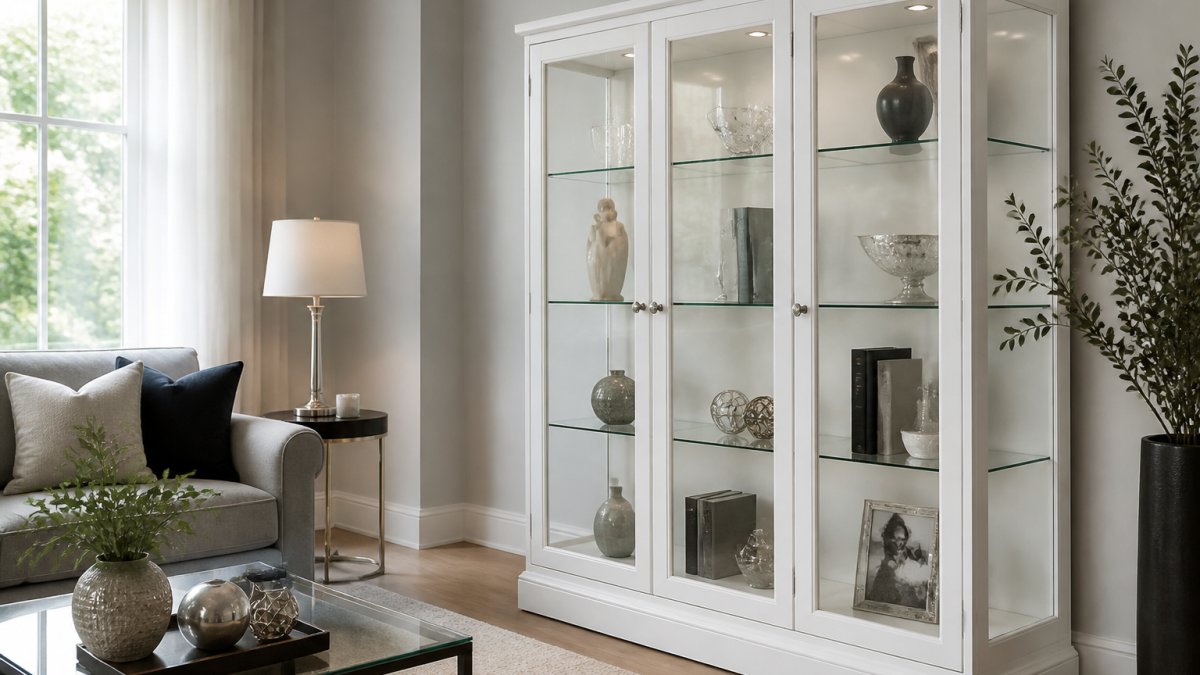
To display fragile items safely when arranging collectibles in a display cabinet requires planning to balance safety with visual appeal. Items need space to breathe, both for protection and to showcase them properly.
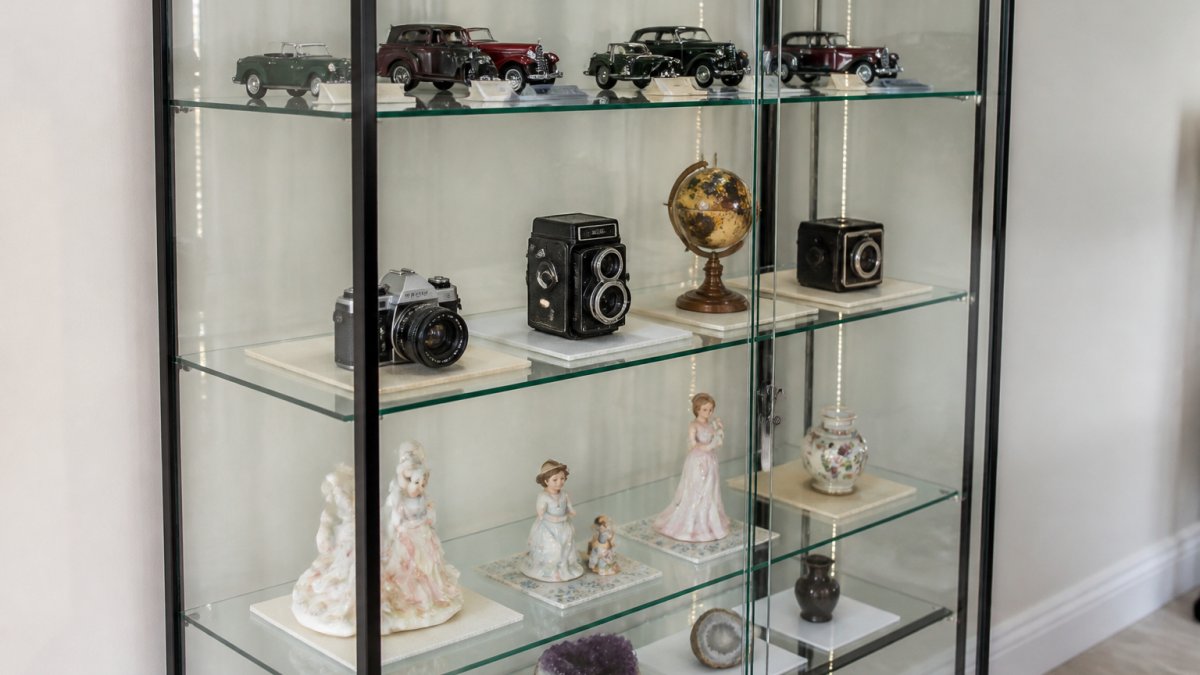
Start by grouping similar items together. Plates go with plates, figurines with figurines. This makes the display look intentional and helps you remember what's where.
Follow these arrangement principles:
- Vary the heights, Place tall items toward the back, shorter ones in front. This creates visual interest and lets you see everything.
- Leave space between items, At least 2-3 cm separates each piece. This prevents them from touching and makes cleaning easier.
- Use the middle shelves most, Eye-level shelves draw attention. Place your most valuable or favourite items here.
- Put heavier items on lower shelves, This distributes weight safely and improves cabinet stability.
- Create focal points, Arrange the display so the eye lands on your most impressive piece first.
Consider the weight distribution across shelves. A shelf with all heavy items on one side will tilt or crack. Spread weight evenly from left to right.
Rotate items occasionally to prevent dust settling in the same spots. This also lets you inspect items for damage and clean the cabinet properly. Every three months is a good rotation schedule for most displays.
How to Secure Ornaments on Shelves
Ornaments and small collectibles need securing, especially in homes with movement or vibration. A bump or shift can send items tumbling.
Check out →
Museum putty is the gold standard for securing fragile items on shelves. This removable adhesive holds items firmly but peels away cleanly without leaving residue or damaging finishes.
For heavier ornaments, use museum wax or clear gel pads designed for collectibles. These products hold stronger than putty and work on curved or uneven surfaces.
Here's how to secure ornaments safely:
- Clean the shelf and item base, Dust and dirt prevent adhesive from working properly.
- Use small amounts, You need just enough to hold the item. Too much makes removal difficult.
- Place adhesive at the centre of gravity, This keeps the item stable and prevents tipping.
- Check stability, Gently test the item to ensure it won't move. It should feel solid.
- Remove adhesive carefully, Peel slowly to avoid damaging the item or shelf finish.
For ornaments with delicate bases, use clear acrylic display stands instead of adhesive. These stands hold items safely and look professional in a display cabinet.
Never use hot glue, superglue, or permanent adhesives on collectibles. These damage finishes and make items impossible to move without harm.
Display Cabinet Lighting for Collectibles and Safe Maintenance
Proper lighting brings collectibles to life while protecting them from damage. Poor lighting makes items hard to see and can hide damage. Excessive light fades colours and degrades materials over time.
Display Cabinets UK supplies premium glass display cabinets with built-in lights, designed to illuminate collectibles safely. LED lighting produces minimal heat, which protects fragile items from thermal stress. LEDs also use less energy than traditional bulbs and last longer.
Position lights to avoid glare and shadows:
- Side lighting, Lights placed to the side of items create depth and highlight details
- Back lighting, Lights behind items create a halo effect and make glass items sparkle
- Overhead lighting, Lights above items reduce shadows but can create glare on glass
Keep lights on for reasonable periods only. Continuous lighting fades colours and can cause temperature fluctuations inside the cabinet. Most displays look best with 6-8 hours of lighting daily. Use a timer to control lighting automatically.
How to Clean a Glass Display Cabinet Safely
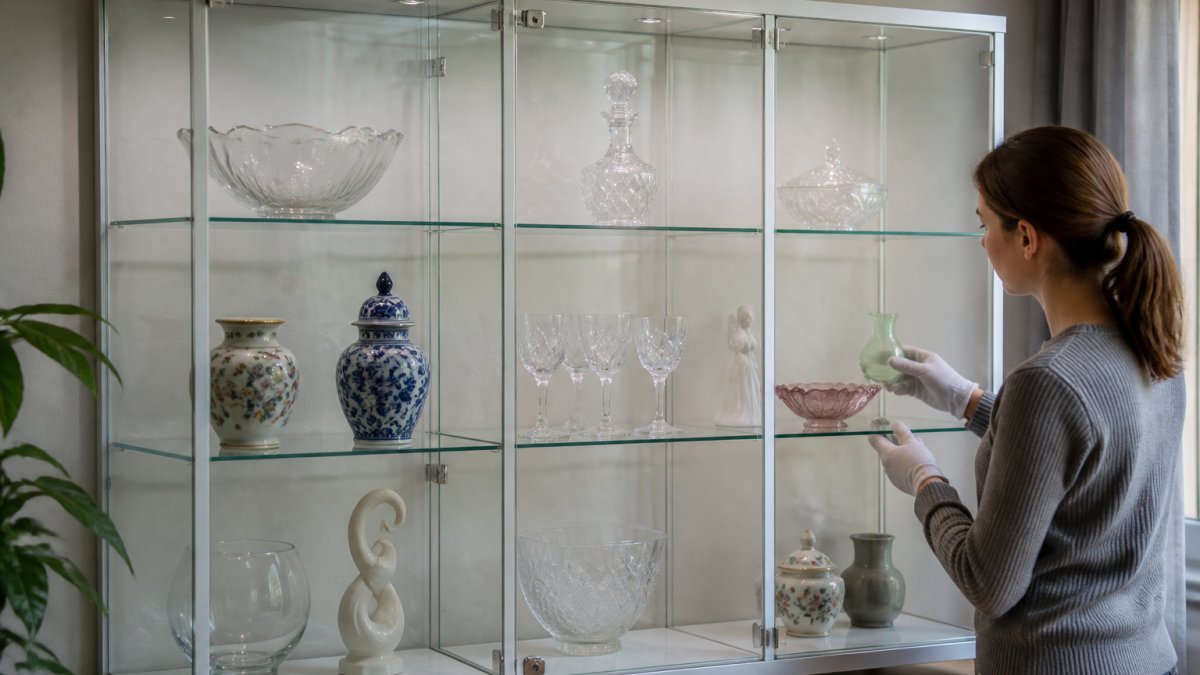
Cleaning a display cabinet with fragile items inside requires care. You need to protect items from cleaning products and accidental damage.
The safest approach is removing items before cleaning. This takes more time but prevents accidents. If items must stay in place, use minimal cleaning products and work carefully around them.
Here's a safe cleaning process:
- Turn off and unplug the cabinet, This prevents electrical hazards and heat from lights.
- Remove items if possible, Place them on a soft surface away from the cleaning area.
- Use mild cleaning solution, Mix water with a small amount of mild dish soap. Avoid harsh chemicals that damage glass or finishes.
- Wipe glass gently, Use microfibre cloths, never paper towels or rough materials.
- Dry completely, Water spots form if glass dries naturally. Buff with a dry cloth for a clean finish.
- Clean shelves, Wipe shelf surfaces and check for dust or debris before replacing items.
- Replace items carefully, Put each item back in its original position and check security.
For stubborn marks on glass, use white vinegar diluted with water. This cuts through fingerprints and dust without damaging glass. Test on a small area first if you're unsure.
Never spray cleaning products directly on glass inside the cabinet. Liquid can drip onto items below and damage them. Always apply cleaner to a cloth first, then wipe the glass.
Prevent Movement and Eliminate Shifting Inside Display Units
Movement inside a display unit is the leading cause of breakage. Items shift during transport, settling, or vibration from nearby activity.
Start with proper cushioning, as discussed earlier. Fill every empty space with padding material.
Add these extra safeguards:
- Use dividers, Cardboard or foam dividers separate items and prevent contact
- Wrap items tightly, Loose wrapping allows movement inside the protective layers
- Secure tall items, Use museum putty or stands for items that could topple
- Check weight distribution, Uneven weight causes shifting and tipping
- Avoid stacking, Stack only identical items like plates, and only when necessary
- Label boxes clearly, Mark which side is up and note fragile contents
For display cabinets, secure shelves to the cabinet frame if possible. Floating shelves that aren't anchored can shift under weight.
Test stability before leaving items unattended. Gently rock the cabinet or box to ensure nothing moves.
Regular inspections catch problems early. Every few months, open the cabinet or box and verify that items haven't shifted.
Displaying fragile items safely combines the right container, proper wrapping, careful arrangement, and ongoing maintenance. At Display Cabinets UK, we understand that your collectibles matter.
Frequently Asked Questions
What's the best way to display fragile items safely at home?
Start with a sturdy, lined box or display cabinet that won't shift. Wrap each fragile item individually in bubble wrap or foam sheets, leaving no empty spaces where items can move. Arrange heavier pieces on lower shelves and lighter items higher up. Use museum putty or non-slip matting to secure ornaments in place, and avoid areas near radiators, direct sunlight, or high-traffic zones. A lockable glass cabinet with proper lighting offers both protection and visibility for valuable collectibles.
How do you secure ornaments on shelves to prevent them from falling?
Museum putty is the most effective reversible method, it holds items firmly without damaging surfaces or finishes. Apply a small ball of putty to the base of each ornament and press it firmly onto the shelf. For heavier pieces, use non-slip matting or felt pads underneath to prevent sliding. Double-check weight distribution by placing heavier collectibles toward the back and centre of the shelf. Ensure shelves aren't overcrowded; adequate spacing reduces impact risk if something does shift.
What protective materials work best for packing delicate items in a display cabinet?
Bubble wrap, foam sheets, and protective padding are industry-standard choices. Wrap each item individually in bubble wrap (bubble side facing inward for maximum cushioning), then add a layer of foam sheets for extra protection. Use crumpled paper or foam peanuts to fill empty spaces inside boxes and prevent movement during transport or display. For particularly valuable glassware or frames, consider double-boxing with padding between layers. Avoid newspaper, which can leave ink marks on delicate finishes.
How should you light a display cabinet without damaging collectibles?
LED lighting is the safest option because it produces minimal heat and UV radiation, protecting delicate items from fading or damage. Position lights above or to the side of items rather than directly on them. Ensure adequate ventilation inside the cabinet to prevent heat buildup. Avoid halogen or incandescent bulbs, which generate excessive heat and can cause discolouration over time. Quality display cabinets include integrated, temperature-controlled lighting designed to showcase collectibles safely while maintaining their condition.